
Structural Engineering
Modernising Stage Rigging and Fly Towers: Structural Upgrades for West End Productions
Modern West End productions demand heavier, more flexible stage infrastructure, but upgrades must be designed around heritage buildings and tight performance schedules.
West End theatres are built on the meeting point of heritage, craft and engineering. Behind the ornate plasterwork, many stage structures were never designed for today's automated scenery, larger lighting rigs and moving LED systems.
- The practical engineering context
- What clients and project teams need to decide
- How MJC turns constraints into usable information
Understanding the rigging challenge
A theatre's rigging grid and fly tower carry lighting, scenery and stage effects, often with dynamic loads weighing several tonnes. Older venues may have been designed for manual hemp systems and timber galleries rather than motorised winches and modern production equipment.
- Existing grid, beam and connection capacity.
- Deflection limits that affect lighting alignment and set stability.
- Access routes, catwalks and maintenance safety.
- The altered load paths created by new production systems.
Strengthening without overwhelming the building
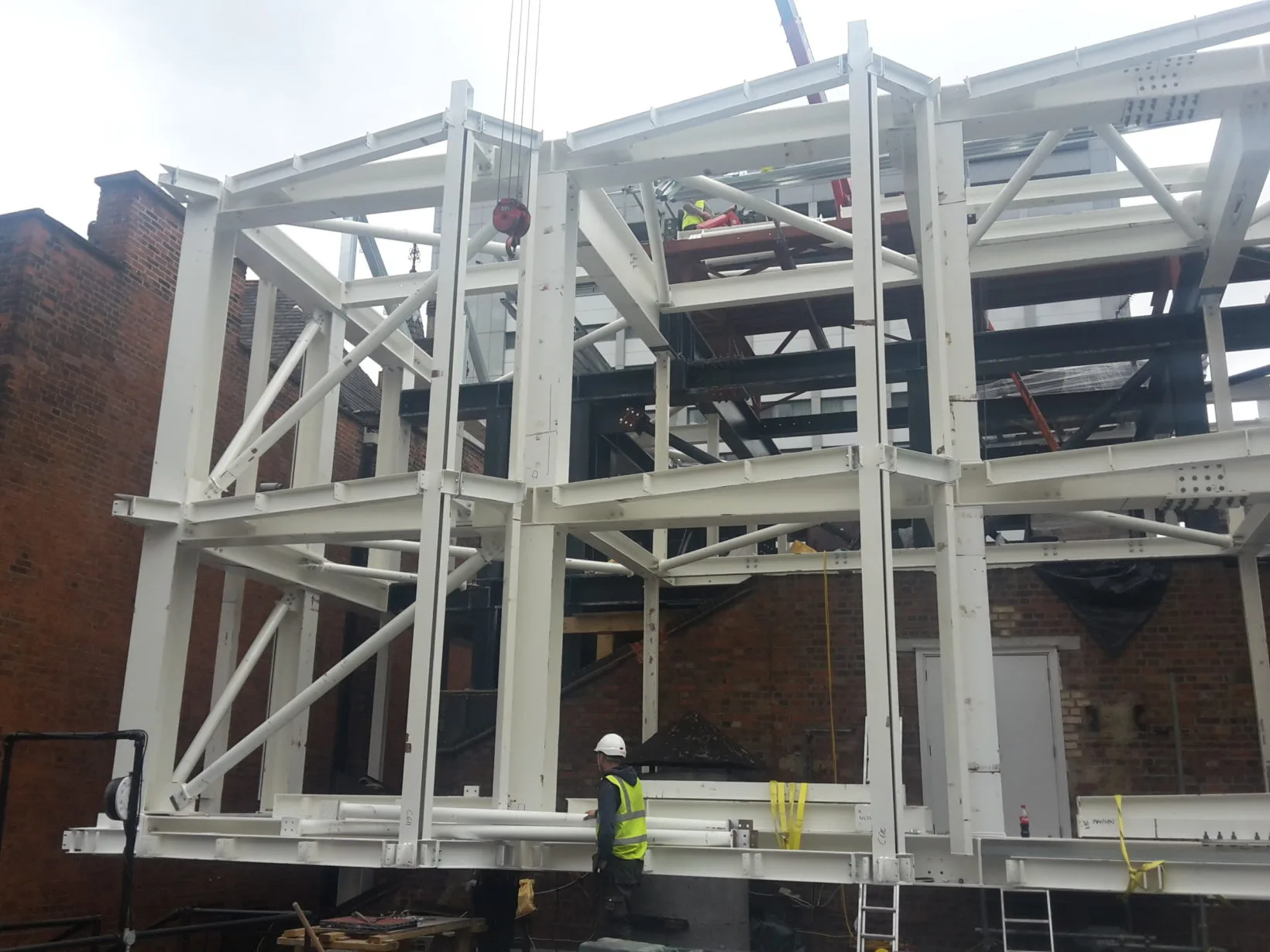
Fly tower upgrades can include new primary beams, reinforcement plates, bracing, independent rigging frames and carefully sequenced temporary works. The right solution depends on the age, materials, constraints and operational needs of the venue.
For listed theatres, interventions must be carefully coordinated with conservation officers, architects and theatre consultants so that historic fabric, sightlines and acoustics are protected.
Working around the show
Theatres do not operate like ordinary construction sites. Structural upgrades often have to be planned around rehearsals, dark weeks and fixed reopening dates. Buildability and sequencing are therefore part of the engineering, not an afterthought.
Future-ready strengthening gives venues the capacity and flexibility to support new productions without repeated, disruptive re-engineering.
Adjacent reading.
Buying in Stockport: The Hidden Costs of ‘Character’ Homes
Is Stockport the new "Berlin of the North"? It’s certainly starting to feel like it. If you’ve been house-hunting in Greater Manchester lately, you’ve likely noticed a clear trend: smart money is heading to Stockport.
Why Rear Extensions in Manchester Fail Without Proper Structural Engineering
Rear extensions are one of the most popular forms of residential development in Manchester. From Victorian terraces in South Manchester to semi-detached homes across Greater Manchester, homeowners are increasingly choosing to extend rather than move. However, many rear extensions encounter delays, redesigns, or unexpected costs due to insufficient structural engineering input at the early stages. Engaging a qualified structural engineer in Manchester is essential to ensure your extension...
Keeping Theatres Performance-Ready in 2026: A Structural Engineering Perspective
London’s West End theatres are global icons — spaces where heritage, artistry, and engineering meet. Yet behind the ornate plasterwork and velvet curtains, many of these buildings face a hidden challenge: their original stage structures were never designed for today’s technically ambitious productions.
Working on the same problem?
We're happy to take a structural opinion call — survey, inspection, or a one-off engineer's report.