
Structural Engineering
Buying in Stockport: The Hidden Costs of ‘Character’ Homes
Stockport's period homes and converted buildings can be excellent purchases, but buyers need to understand the structural risks behind the character.
Stockport's property market has changed quickly. The Underbank, Edgeley and the Heatons are attracting buyers who want character, transport links and value compared with central Manchester. The opportunity is real, but so are the structural risks that can sit behind attractive period details.
- The practical engineering context
- What clients and project teams need to decide
- How MJC turns constraints into usable information
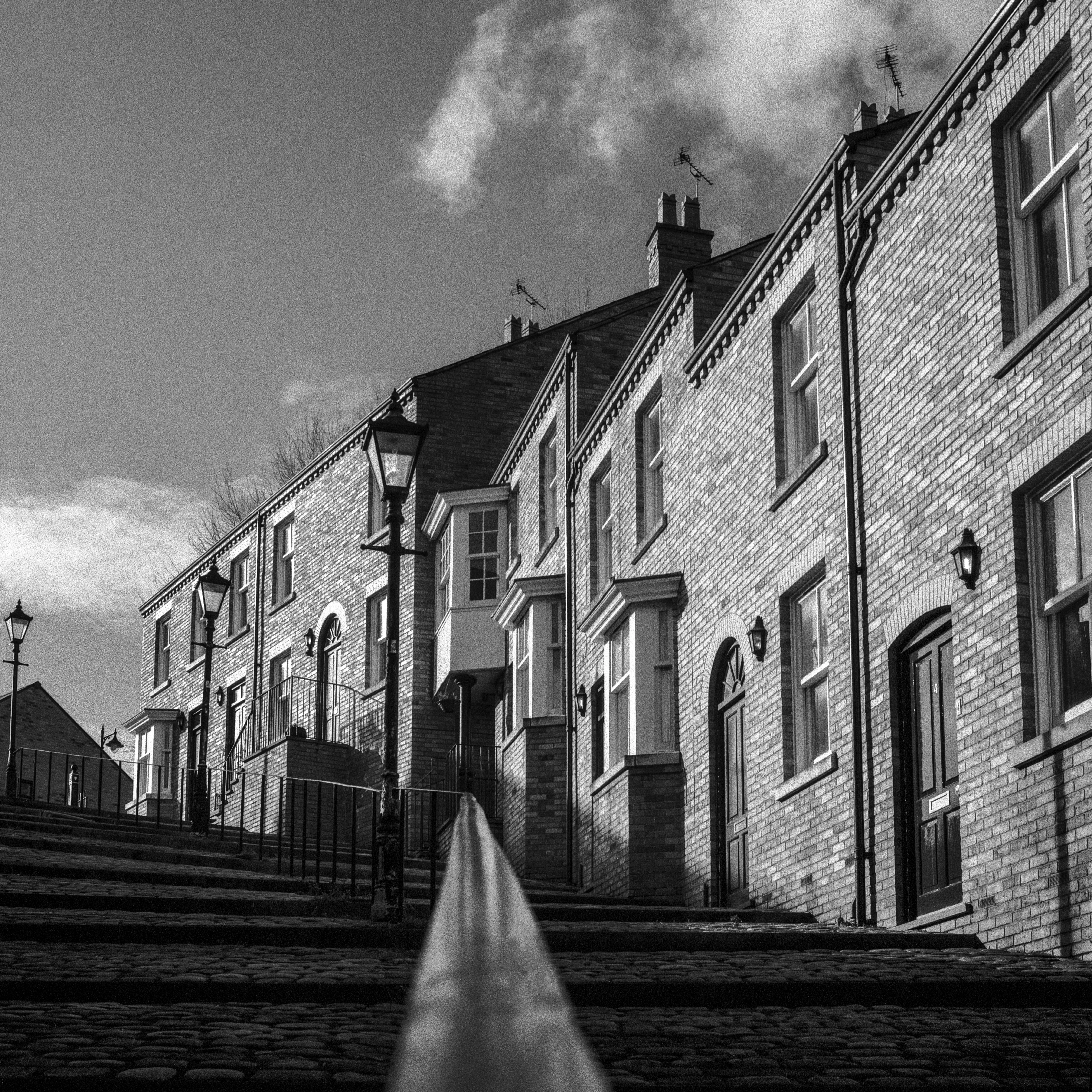
Victorian terraces in Edgeley
Many Edgeley terraces were built quickly in the late nineteenth century. More than a century later, original roofs, lintels and cellars can all need careful review before purchase.
- Roof spread or sagging ridge lines where original slate or clay coverings have pushed the external walls outward.
- Stepped cracking above windows and doors, often linked to timber or stone lintel failure.
- Damp cellar spaces that were never designed as habitable rooms and can be expensive to convert properly.
Retaining walls in the Heatons
The Heatons are leafy and desirable, but the sloping ground means many gardens rely on retaining walls. Buyers often overlook these structures, even though a leaning or poorly drained retaining wall can become a major cost.
A structural inspection should consider whether retaining walls are cracked, rotating, overloaded or missing drainage routes such as weep holes.
Converted industrial buildings
Stockport's industrial buildings can make impressive homes, but converted mills and warehouses have different risks from standard houses. Settlement, added mezzanine loads, altered internal layouts and corrosion to embedded steel or ironwork can all affect the structure.
Buy the character with your eyes open
Character should not become a money pit. A specialist structural inspection helps separate cosmetic age from genuine risk, giving buyers the evidence they need to proceed, renegotiate or walk away.
Adjacent reading.
Why Rear Extensions in Manchester Fail Without Proper Structural Engineering
Rear extensions are one of the most popular forms of residential development in Manchester. From Victorian terraces in South Manchester to semi-detached homes across Greater Manchester, homeowners are increasingly choosing to extend rather than move. However, many rear extensions encounter delays, redesigns, or unexpected costs due to insufficient structural engineering input at the early stages. Engaging a qualified structural engineer in Manchester is essential to ensure your extension...
Keeping Theatres Performance-Ready in 2026: A Structural Engineering Perspective
London’s West End theatres are global icons — spaces where heritage, artistry, and engineering meet. Yet behind the ornate plasterwork and velvet curtains, many of these buildings face a hidden challenge: their original stage structures were never designed for today’s technically ambitious productions.
All I Want for Christmas is a Structurally Sound Home: A Manchester Guide
Every December, the UK’s high streets, theatres, shops, and public spaces transform into glittering displays of Christmas lights. From suspended catenary lighting over shopping districts to illuminated façades and oversized decorations hung from roofs, festive installations have become a structural feat in their own right.
Working on the same problem?
We're happy to take a structural opinion call — survey, inspection, or a one-off engineer's report.